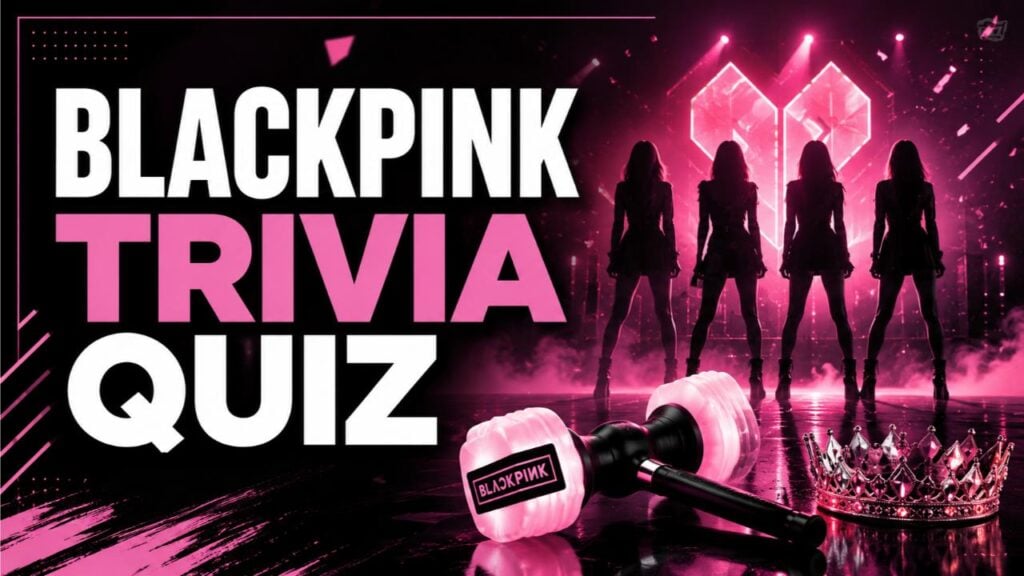
Blackpink trained for years under YG Entertainment’s notoriously demanding system before debuting as a four-member group in 2016, and the label’s characteristically slower, more selective rollout paid off almost immediately: their earliest singles became instant sensations, and within a few years they’d become the first K-pop girl group to headline a set at Coachella, a booking that signaled just how far their reach had already extended beyond the K-pop-specific audience that first embraced them. That crossover success wasn’t an accident either, since the group’s sound leans harder into western hip-hop and EDM influences than a lot of their K-pop peers, giving Jisoo, Jennie, Rosé, and Lisa’s music an immediate, aggressive edge that translated easily to international radio and playlists built around genres well outside typical K-pop conventions.
Their 2019 comeback single “Kill This Love” broke the all-time YouTube record for a music video’s opening day, pulling in more than 56 million views within twenty-four hours and beating out releases from artists who’d been actively courting American audiences for years longer. The video leaned into overtly maximalist visuals, tanks, roaring set pieces, and rapid costume changes, treating the song’s three-minute runtime as an excuse for spectacle rather than a straightforward performance clip. Streaming numbers like that translated into real chart movement too: the group’s 2020 studio album debuted inside the top five of the Billboard 200, a placement no K-pop girl group had reached before them, built largely on an English-language rollout strategy the label had been quietly developing since their earliest singles started performing well outside Korea.
Fans of the group go by a specific, trademarked name, Blinks, and the coordinated pink-and-black light displays they bring to arena shows have become almost as recognizable as the group’s own stage outfits. That kind of organized fan culture followed the group well past the K-pop-specific circuit that first embraced them, turning up in stadium tours across multiple continents and in brand partnerships with companies that had little prior history of working with K-pop acts. The 2019 Coachella set drew a crowd large enough to overflow the Sahara tent, and four years later the group returned to close the main stage on a Saturday night, the first Korean act of any kind to hold that slot.
Getting the details right here means knowing the group’s rise under YG Entertainment from debut through their busiest touring years, plus which member carries which individual persona and backstory once the group’s own material gives way to solo projects and outside ventures.
Recognizing the group’s global scale or naming a handful of their biggest singles only carries a listener so far. The harder half of the quiz wants the label they debuted under and which member is known specifically for her Thai heritage and dance skills. One more asks for the festival they became the first K-pop girl group to headline, a detail that separates someone who knows the songs from someone who knows the group’s actual history. Whichever ones trip you up, the full set of correct answers sits directly beneath the quiz for a quick check afterward.
Questions Preview
- SM Entertainment
- YG Entertainment
- JYP Entertainment
- HYBE
- Three
- Four
- Five
- Six
- Jennie
- Jisoo
- Rose
- Lisa
- Lisa
- Jennie
- Jisoo
- Rose
- Rose
- Jisoo
- Jennie
- Lisa
- Jisoo
- Jennie
- Rose
- Lisa
- Glastonbury
- Coachella
- Lollapalooza
- Bonnaroo
- Classical and orchestral music
- Hip-hop and EDM
- Country music
- Jazz standards
- How You Like That
- DDU-DU DDU-DU
- Pink Venom
- Kill This Love
- The Album
- Born Pink
- Square Up
- Kill This Love
- South Korea
- Japan
- Thailand
- China
- BLINK
- ARMY
- ONCE
- EXO-L
- Born Pink
- The Album
- Square Up
- Kill This Love
- High-fashion and luxury brand partnerships
- Restaurant ownership
- Professional sports careers
- Political campaigns
- YG Entertainment's trainee system
- SM Entertainment's trainee system
- An independent training academy
- No formal training system