Eighty-four years separate Snow White, who arrived in Disney’s first feature-length animation in 1937, from Mirabel Madrigal, the girl in Encanto who is the only member of her family without a magical gift. Between those two points sits nearly everything the studio built, starting with a mouse who first appeared with synchronized sound in Steamboat Willie in November 1928. Thirty results here draw from across that whole span, which is why the list runs from hand-drawn fairy tale princesses to a computer-animated robot who barely speaks.
The earliest characters still hold the sharpest comic definitions. Mickey Mouse is the optimist who organizes everyone else, Donald Duck is pure short temper and wounded pride delivered in a voice nobody can fully understand, and Goofy is the one who fails at things with complete equanimity. That trio has functioned as a working model of three personality types since the 1930s, and the dynamic between them is why the shorts still land.
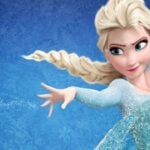
The heroines split along how they handle expectation. Mulan takes her father’s place in the army and succeeds through improvisation and nerve rather than strength. Elsa spends most of Frozen managing a power she is terrified of and finally stops apologizing for it. Mirabel has no power at all and holds her family together anyway, which makes her the most modern archetype in the group. Cinderella and Snow White belong to an older tradition built on patience and endurance, and Mary Poppins, played by Julie Andrews in the 1964 film that won her an Academy Award, is brisk competence with a sharp edge under the sugar.
The villains are just as differentiated. Maleficent curses an infant over a missing invitation and does it with total composure, the archetype of cold, ceremonial pride. Cruella de Vil is appetite without restraint, chasing a coat she wants because she wants it. Ursula, whose design took cues from the performer Divine, is theatrical and transactional, a negotiator who always writes the contract in her own favor.
The sidekicks and companions cover the warmer end. Stitch begins as Experiment 626, engineered to destroy, and turns into the most loyal character in his film. Dory improvises through short-term memory loss with relentless good humor. The Genie, built around Robin Williams improvising in the recording booth, is generosity at high speed. Pumbaa, Winnie the Pooh and Bambi hold down gentleness in three different registers, while Buzz Lightyear and Woody split the difference between conviction and anxiety in the 1995 film that was the first fully computer-animated feature.
Rounding it out are Simba, Beast, Tinker Bell, Minnie Mouse, Peter Pan, Roger Rabbit, Mike Wazowski, James P. Sullivan and WALL-E, whose opening stretch of film runs almost entirely without dialogue.
The questions cover how you treat responsibility, disappointment, rules and people who annoy you. The result explains which of your answers pointed toward that character and what the two of you have in common.
Possible results:
- Donald Duck
- Goofy
- SImba
- Tinker Bell
- Elsa
- Mickey Mouse
- Minnie Mouse
- Stitch
- Snow White
- Bambi
- Cinderella
- Peter Pan
- Maleficent
- Cruella de Vil
- Mary Poppins
- Winnie the Pooh
- Roger Rabbit
- Ursula
- Genie
- Simba
- Buzz Lightyear
- Woody
- Mulan
- Mike Wazowski
- James P. Sullivan
- Dory
- WALL-E
- Mirabel
- Beast
- Pumbaa